
Brainspotting Therapy in Houston, TX: Accessing Trauma Where Talk Therapy Cannot Reach
Where you look affects how you feel. Brainspotting identifies fixed eye positions that access trauma stored deep in the subcortical brain, facilitating release and regulation that talk therapy and conscious processing cannot reach. At Connect Clinical Services, we integrate Brainspotting with EMDR, Somatic Experiencing, and Neurofeedback for comprehensive healing.
Free Brainspotting Consultation
Speak with our Clinical Director. No obligation.
Or call: (713) 564-5146
The Science
How Brainspotting Works: Deep Processing at the Subcortical Level
Brainspotting (BSP) is a neurobiological therapy developed by Dr. David Grand in 2003, built on the foundational principle that where you look affects how you feel. The eyes connect directly to the brain and nervous system. When your gaze falls on a specific position, known as a "brainspot," the nervous system accesses the precise location where unprocessed trauma, emotional pain, and negative beliefs are stored in the subcortical brain.
Unlike talk therapy, which engages the prefrontal cortex (the logical, thinking brain), Brainspotting directly accesses the limbic system and brainstem, the deeper brain structures where trauma is actually held. This is why Brainspotting can reach material that years of conversation, insight, and cognitive understanding have not resolved. The thinking brain can understand trauma. The subcortical brain is where trauma lives.
During a Brainspotting session at our Houston practice, your therapist uses a pointer or your natural eye movements to identify the fixed gaze position most intensely connected to your internal distress. While maintaining focused attention on this brainspot, often with bilateral sound (biolateral music played through headphones), the nervous system activates its own innate healing capacity. You do not have to narrate your trauma in detail. You do not have to "figure it out." The brain and body already know what needs to happen. Your therapist holds the space so your system can finally finish what it could not process at the time of the original event.
Clients often describe feeling lighter, calmer, and more grounded after Brainspotting sessions, not because they have analyzed their trauma, but because their nervous system has released something it had been holding for years, sometimes decades.
What Brainspotting Treats
Conditions We Treat with Brainspotting in Houston
Brainspotting is particularly effective for presentations that have not fully responded to talk therapy, CBT, or even EMDR. Because it accesses deeper brain structures, it often resolves what other modalities cannot:
Complex & Developmental Trauma
Childhood abuse, neglect, relational patterns that have shaped the nervous system over years or decades. Brainspotting accesses the deep, pre-verbal layers where developmental trauma is encoded.
PTSD & Acute Trauma
Combat exposure, sexual assault, car accidents, natural disasters. Brainspotting was the primary modality used to treat families of the Sandy Hook tragedy.
Treatment-Resistant Presentations
When EMDR, CBT, or talk therapy has plateaued, Brainspotting often breaks through. It reaches subcortical material that other modalities cannot access, making it the next step when progress has stalled.
Dissociation
Brainspotting's gentle, titrated approach allows clients who dissociate during processing to stay within their window of tolerance while still accessing and resolving traumatic material.
First Responder & Occupational Trauma
Police officers, firefighters, EMTs, ER nurses, and military veterans who need efficient processing without extensive verbal retelling. Brainspotting processes cumulative occupational trauma directly.
Chronic Pain
Research demonstrates that reprocessing the stored traumatic material connected to pain onset can significantly reduce pain intensity. Brainspotting addresses the neurological component of chronic pain.
Performance Anxiety & Blocks
Athletes, executives, performers, and professionals who experience anxiety, self-doubt, or mental blocks that limit their capacity. Brainspotting removes the subcortical interference driving the performance issue.
Attachment Injuries
Relational wounds from early caregiving environments that drive patterns of pursuit, withdrawal, and difficulty trusting in adult relationships. Integral to our couples therapy approach.
Understanding the Difference
Brainspotting vs. EMDR: How They Differ and When We Use Each
One of the most common questions we hear at our Houston practice is: "What is the difference between Brainspotting and EMDR?" Both are powerful, neurobiologically informed trauma therapies, but they access different brain structures and work in different ways:
| Dimension | EMDR | Brainspotting |
|---|---|---|
| Stimulation | Bilateral (alternating left-right eye movements, tapping, or tones) | Fixed gaze on a single "brainspot" with biolateral sound |
| Brain Access | Engages cortical and limbic processing through bilateral activation | Directly accesses subcortical brain and brainstem, deeper than EMDR typically reaches |
| Structure | Highly structured 8-phase protocol with specific targets and measurement | More open and client-led. The therapist follows the client's process rather than directing it |
| Verbal Requirement | Some verbal processing of the target memory is typically involved | Minimal verbal processing required. Ideal for clients who shut down or cannot find the words |
| Best For | Single-event trauma, specific phobias, clearly defined target memories | Complex trauma, treatment-resistant cases, dissociation, pre-verbal trauma, chronic pain |
| When It Plateaus | Brainspotting often breaks through EMDR plateaus by accessing deeper subcortical material | EMDR can complement Brainspotting by providing structured reprocessing of specific memories |
Why This Matters at Connect Clinical Services
Most Houston practices offer either EMDR or Brainspotting. We offer both, plus Somatic Experiencing and Neurofeedback, and our Clinical Director determines which modality or combination best fits your specific nervous system presentation. When EMDR plateaus, we pivot to Brainspotting. When the body holds trauma that neither can fully release, we bring in Somatic Experiencing. When the brain's baseline arousal needs stabilizing first, we start with Neurofeedback. This is the art and science of integrated treatment that no other private practice in Houston provides.
Ready to Access What Talk Therapy Cannot Reach?
Request a free consultation with our Clinical Director to determine if Brainspotting is right for your healing.
Schedule Free Consultation(713) 564-5146 • 8100 Washington Ave, Suite 170, Houston TX 77007
What to Expect
What Brainspotting Sessions Look Like at Our Houston Practice
Free Consultation with the Clinical Director
We assess your trauma history, current symptoms, nervous system presentation, and previous therapy experiences to determine whether Brainspotting is the right modality for you, or whether EMDR, Somatic Experiencing, or a combination would be more effective.
Grounding and Safety
Before any processing begins, we ensure you have grounding and self-regulation tools. Your therapist establishes the safety and attunement that Brainspotting requires. This relational foundation is essential.
Identifying the Brainspot
You focus on the issue, memory, or body sensation you want to address. Your therapist uses a pointer or observes your natural eye movements to identify the fixed gaze position, the brainspot, where your nervous system shows the strongest activation.
Focused Processing
While maintaining your gaze on the brainspot, often with biolateral sound through headphones, you observe whatever arises: sensations, emotions, images, memories. Your therapist holds attunement while your nervous system processes at its own pace. You do not have to talk through it.
Integration and Grounding
Before closing, your therapist ensures your nervous system has settled and you are grounded. We discuss your group experiences with your individual therapist to maximize the therapeutic benefit. We track progress with validated clinical instruments (PCL-5, PHQ-9, GAD-7).
Integrated Treatment
Brainspotting Within Our Neuroexperiential Framework
Brainspotting is most powerful as part of a comprehensive treatment strategy. Here is how we combine it with our other modalities:
Brainspotting + EMDR
EMDR provides structured reprocessing of specific target memories. When processing plateaus, Brainspotting accesses the deeper subcortical material that EMDR has not reached. We use both fluidly, sometimes switching within the same session.
Brainspotting + Neurofeedback
Neurofeedback stabilizes the brain's electrical patterns, creating a calmer baseline. This makes Brainspotting processing smoother and reduces the risk of overwhelm. The combination is particularly effective for clients with chronic hyperarousal or emotional volatility.
Brainspotting + Somatic Experiencing
While Brainspotting accesses the subcortical brain through gaze, Somatic Experiencing tracks and releases trauma energy stored in the body. Together, they address trauma at both the neurological and somatic levels simultaneously.
Brainspotting in Intensive Format
Our bespoke intensive programs can include high-frequency Brainspotting sessions combined with Neurofeedback, EMDR, and other modalities. This compresses months of weekly therapy into weeks of concentrated, deep work.
Why CCS
Why Houston Clients Choose Connect Clinical Services for Brainspotting
Four Modalities Under One Roof
Brainspotting, EMDR, Somatic Experiencing, and Neurofeedback integrated into a single treatment plan. Most practices offer one or two.
Clinical Director Oversight
Every treatment plan designed and monitored by Guy Bender, LPC-S, ensuring clinical rigor and personalized continuity.
No Verbal Processing Required
Brainspotting works through the subcortical brain. You do not have to narrate your trauma. Ideal for clients who shut down, dissociate, or cannot find the words.
Effective When Other Modalities Plateau
Brainspotting accesses deeper brain structures than EMDR or CBT. It is often the breakthrough modality for treatment-resistant presentations.
Measurable Progress
Validated clinical tools (PCL-5, PHQ-9, GAD-7) track your improvement so healing is concrete, not abstract.
Heights Location + Telehealth
8100 Washington Ave serving River Oaks, West University, Bellaire, Tanglewood, Bunker Hill Village, Southside Place, Memorial, Montrose, Upper Kirby, Rice Village, Galleria, Woodland Heights, Braeswood Place, and Sugar Land. Telehealth across Texas.
Ready to Heal at a Deeper Level?
If you have been in therapy and still feel stuck, or if you carry trauma that you cannot articulate, Brainspotting may be the modality that changes everything. Request a free consultation with our Clinical Director.
Serving Houston's Heights, River Oaks, West University, Bellaire, Tanglewood, Memorial, Montrose, Upper Kirby, and all of Texas via telehealth.
Request Your Free Consultation
We respond within 24 hours, often same-day.
Prefer to call? (713) 564-5146
Common Questions
Frequently Asked Questions About Brainspotting Therapy in Houston
What is Brainspotting therapy?
How is Brainspotting different from EMDR?
What conditions does Brainspotting treat?
Do I have to talk about my trauma during Brainspotting?
How long does Brainspotting therapy take?
Is Brainspotting evidence-based?
Can Brainspotting be combined with other therapies?
Do you offer online Brainspotting therapy?
Is Brainspotting effective for teens?
What areas of Houston do you serve for Brainspotting?
Related Services
EMDR Therapy Trauma Therapy Somatic Experiencing Neurofeedback Intensive Therapy Couples Therapy Teen Therapy
You deserve a life where insight, emotion, and behavior finally align. Our practice is founded on the belief that therapy is both an art, creating a safe space for you to feel truly seen, and a science, utilizing empirically supported, neurobiologically informed approaches to create lasting change. Brainspotting therapy at Connect Clinical Services in Houston accesses the deepest layers of that science.
Last reviewed March 2026 by Guy Bender, LPC-S, Clinical Director.
Meet Our Expert Therapists In Houston
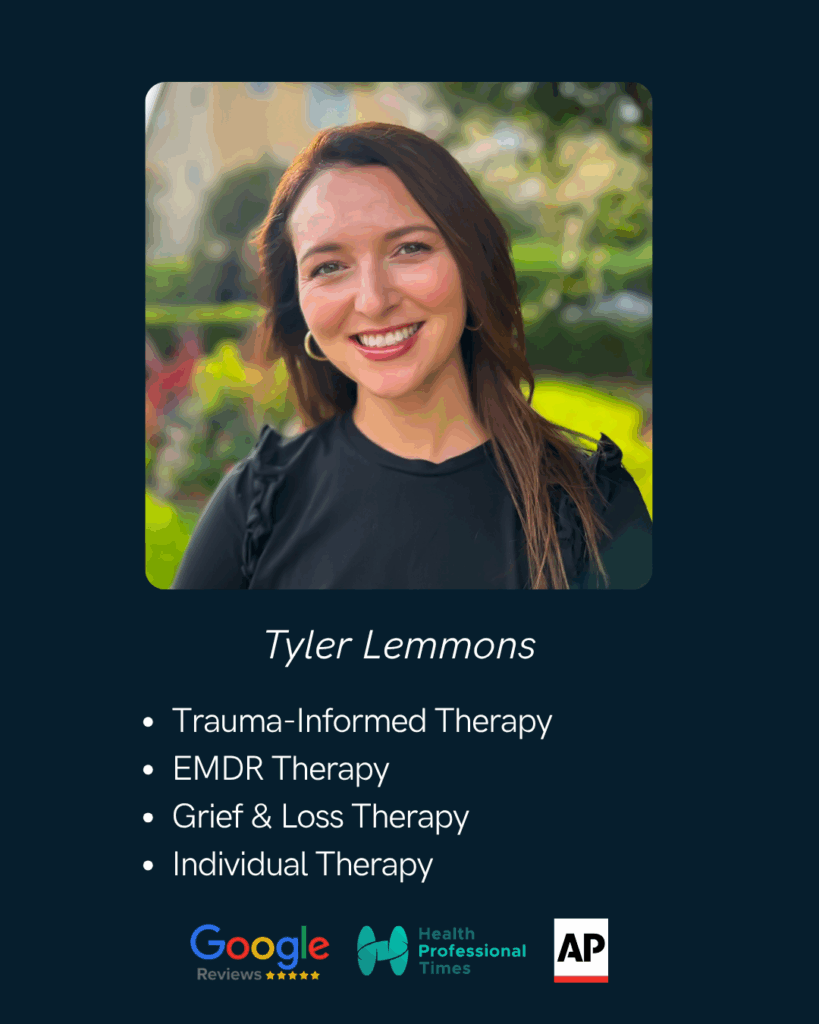
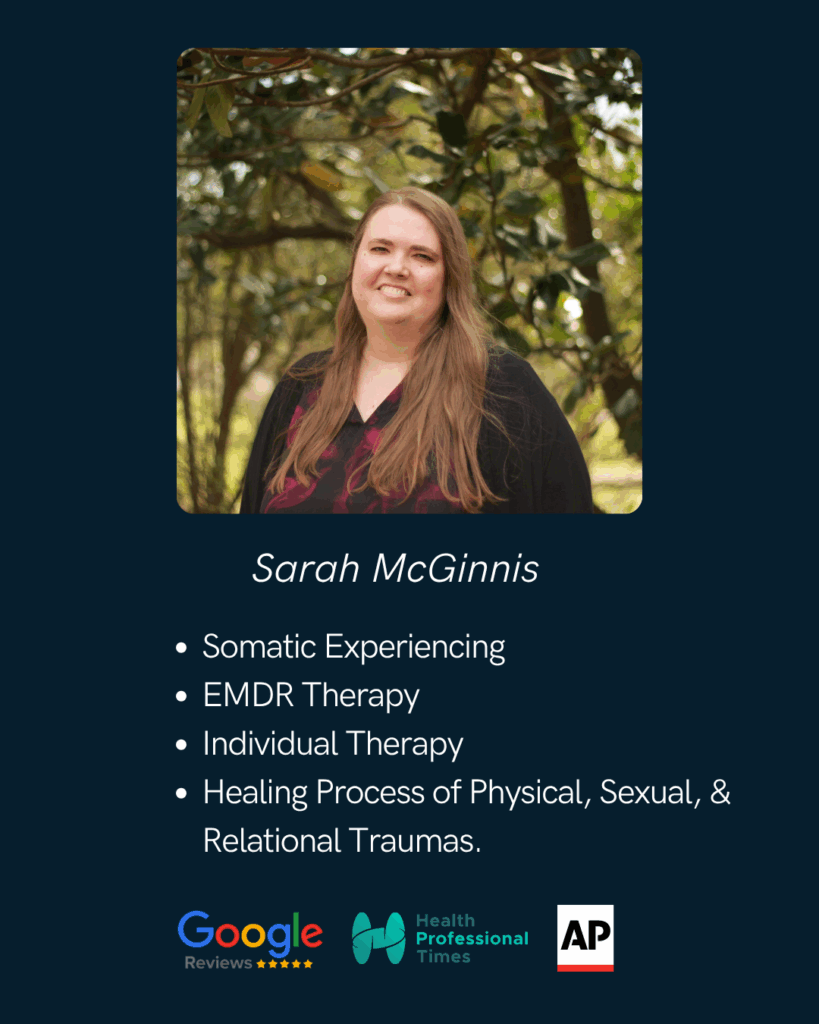
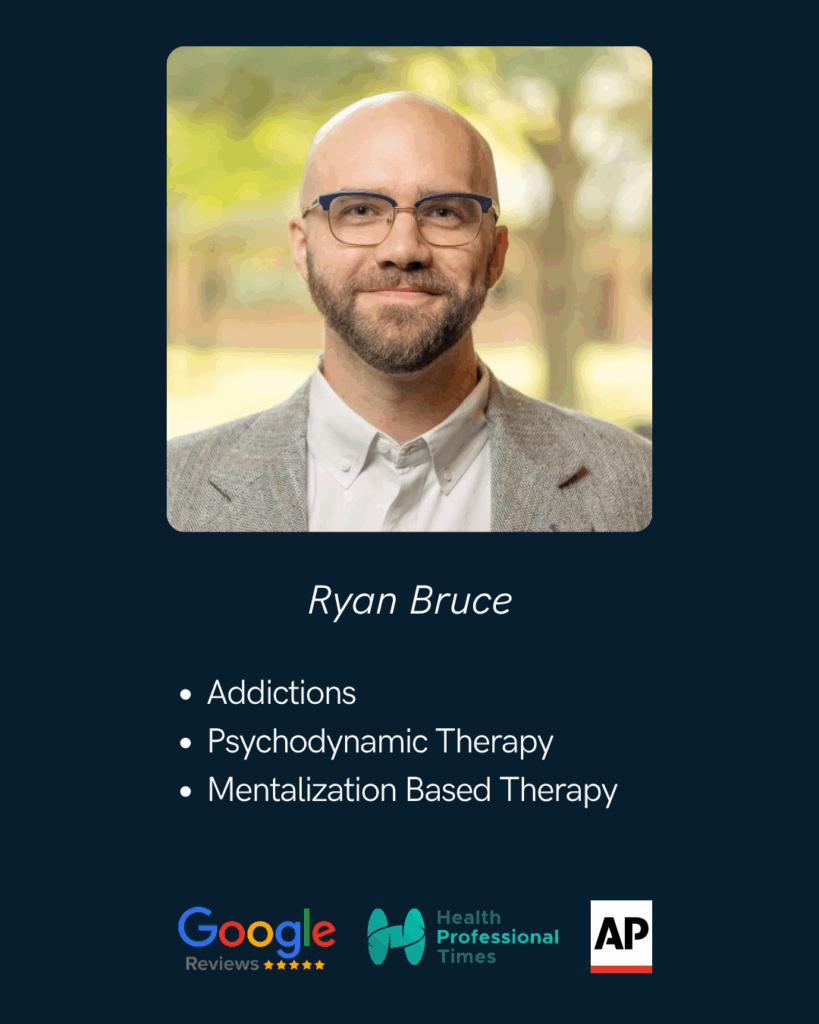
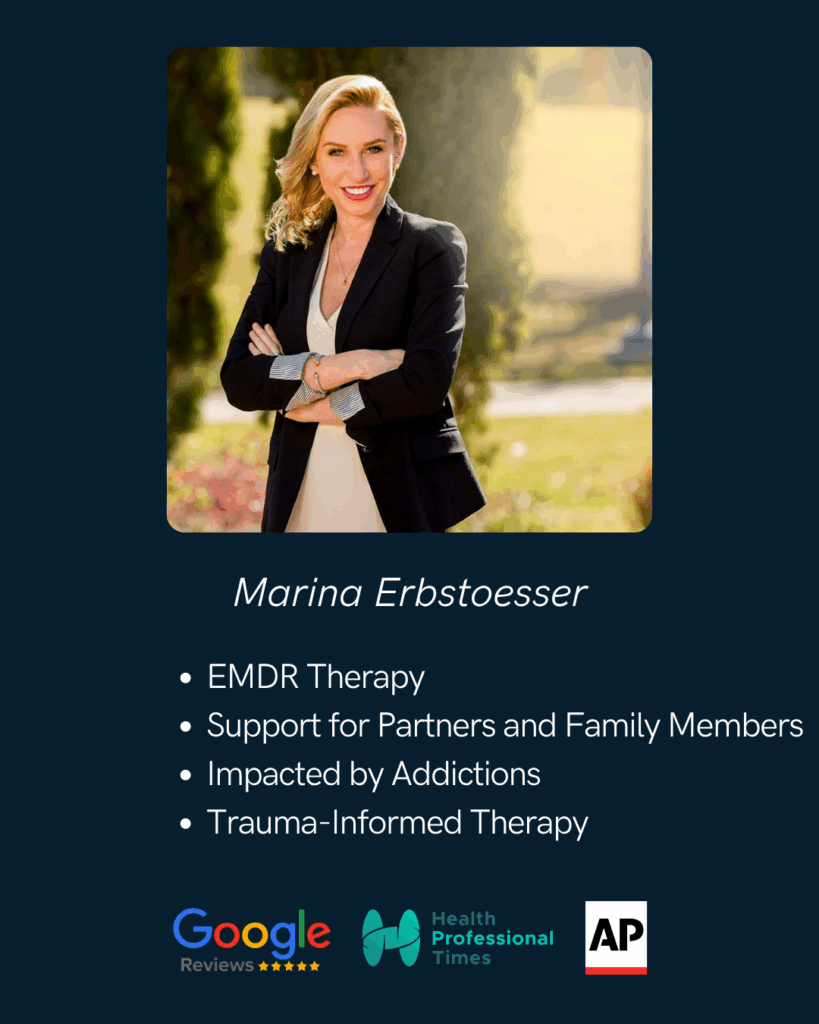
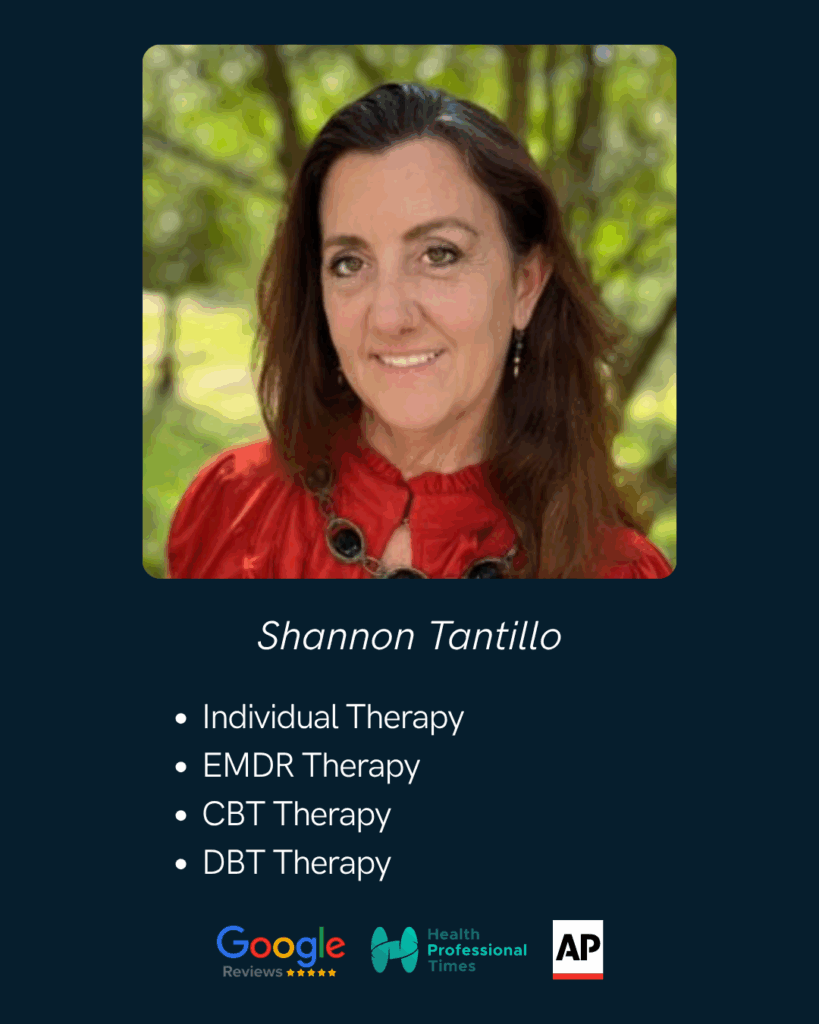
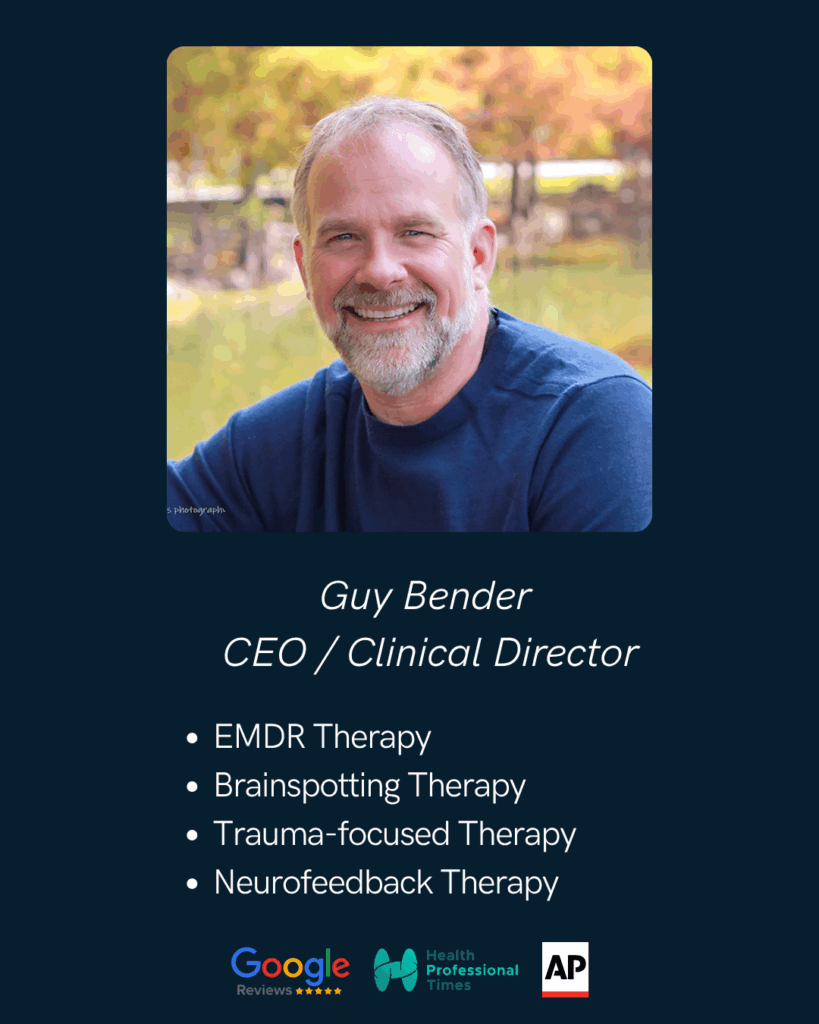
Serving Houston and Surrounding Areas
- In-Person Sessions: Suit 170, 8100 Washington Ave, Houston, TX 77007
- Telehealth: Secure video appointments available throughout Texas